Internal Network Segmentation and Firewall Architecture
A firewall at the internet edge is necessary — but not sufficient. Real security begins when defense is moved inside the network.
In most networks, the firewall sits at the internet edge. This is the right placement. But it is not sufficient on its own.
Flat Network: The Invisible Risk
A firewall is deployed to filter incoming traffic. Security is assumed. But what happens inside?
Servers, user workstations, management systems, operational networks — all in the same segment. No access restrictions. Traffic flows freely.
This is called a flat network, and it allows an attacker, once inside, to move freely in any direction.
Lateral Movement: Nothing Stops What Is Already Inside
Lateral movement is how an attacker spreads after gaining access to one system.
A single entry point is enough: phishing, unpatched systems, weak credentials. From there, attackers can reach servers, management interfaces, SCADA systems, or backups.
In a flat network, nothing stops this. Security exists only at the perimeter — not inside.
Segmentation: Moving Defense Inside the Network
A proper architecture moves defense inside the network.
Each segment operates with its own policy. User networks cannot access servers. Management is isolated. OT is separated from IT. East-west traffic is controlled.
Even if one segment is compromised, lateral movement is blocked. Segmentation is an architectural requirement.
Where Should the Firewall Be Placed?
- Between server groups: Critical systems isolated
- Between departments: Different access policies
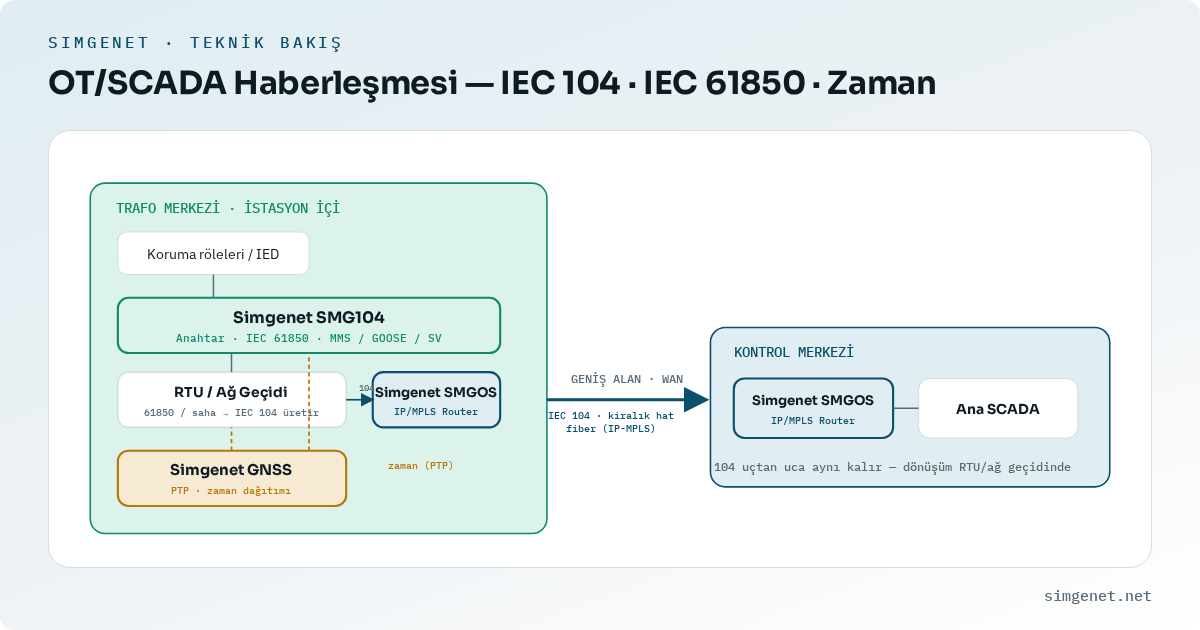
- At OT/IT boundary: Operational isolation
- Inside data center: East-west traffic control
Hardware Selection: Why It Matters
Security features like IDS/IPS, DPI and SSL inspection require serious processing power. Virtual environments share resources and reduce predictability.
Dedicated hardware provides:
- Dedicated PCIe Gen4+ architecture
- Dedicated CPU
- Dedicated network interfaces (1G / 10G / 25G / 100G)
Software: Why Licensing Matters
Traditional licensing models create constraints: more ports, more cost; more throughput, higher tier.
Open-source based solutions eliminate this:
- No license cost for port expansion
- No tier upgrade for throughput
- No feature lock due to expired maintenance
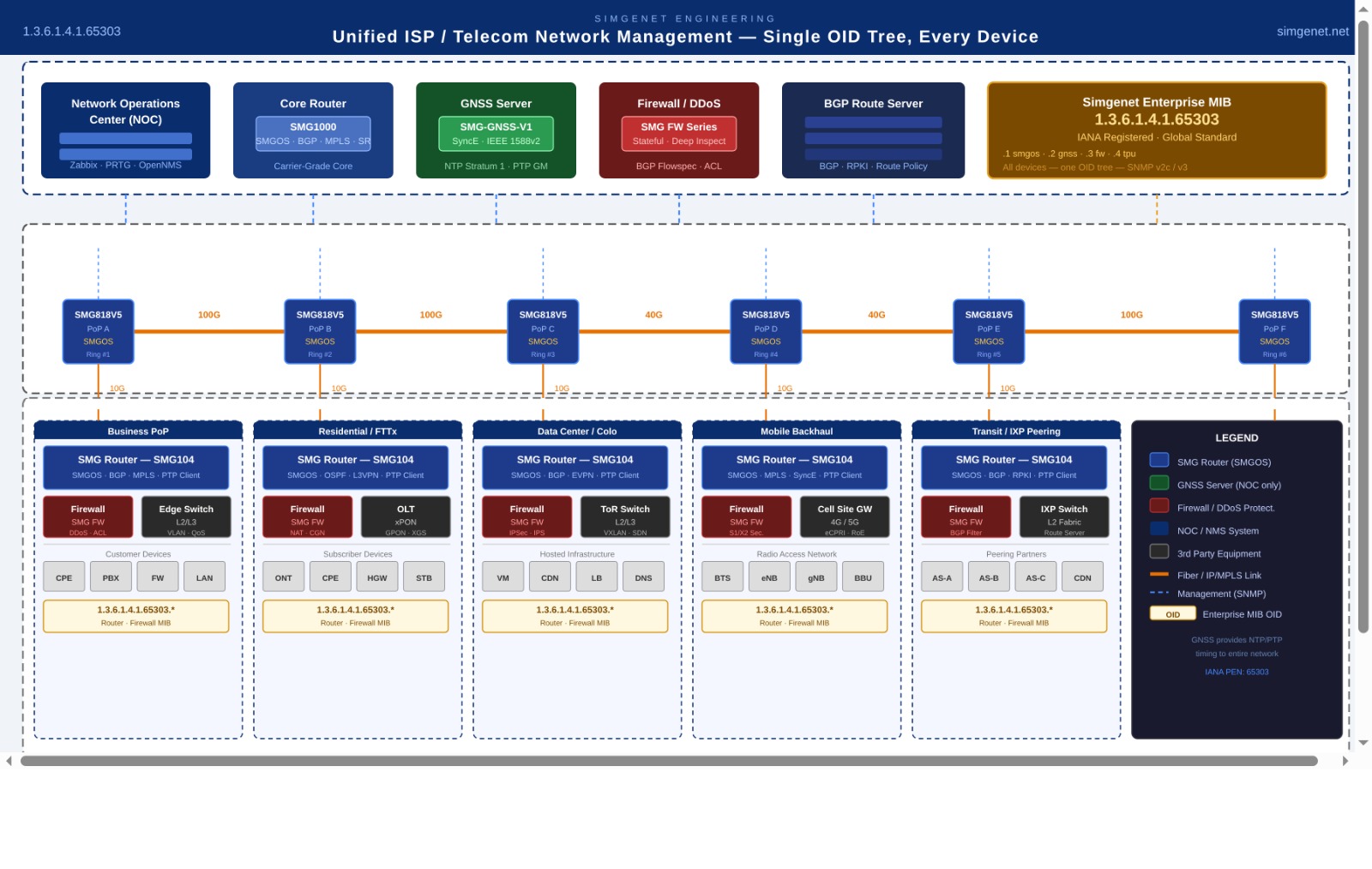
Simgenet Firewall Platforms
Simgenet runs OPNsense Business Edition across all firewall platforms.
Same software, same logic, scalable architecture. Hardware is not locked — customers choose their software.
Support is provided locally in Turkey, directly by engineers.
Conclusion
A perimeter firewall is necessary — but not enough.
Real security requires internal segmentation, proper hardware, and a flexible software model.