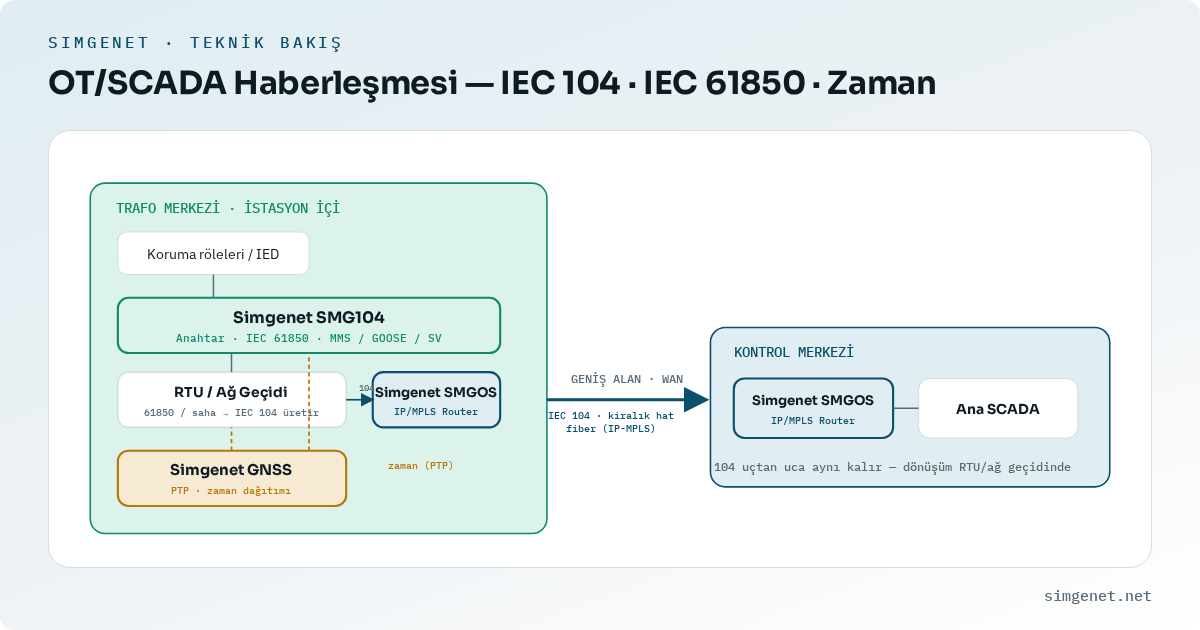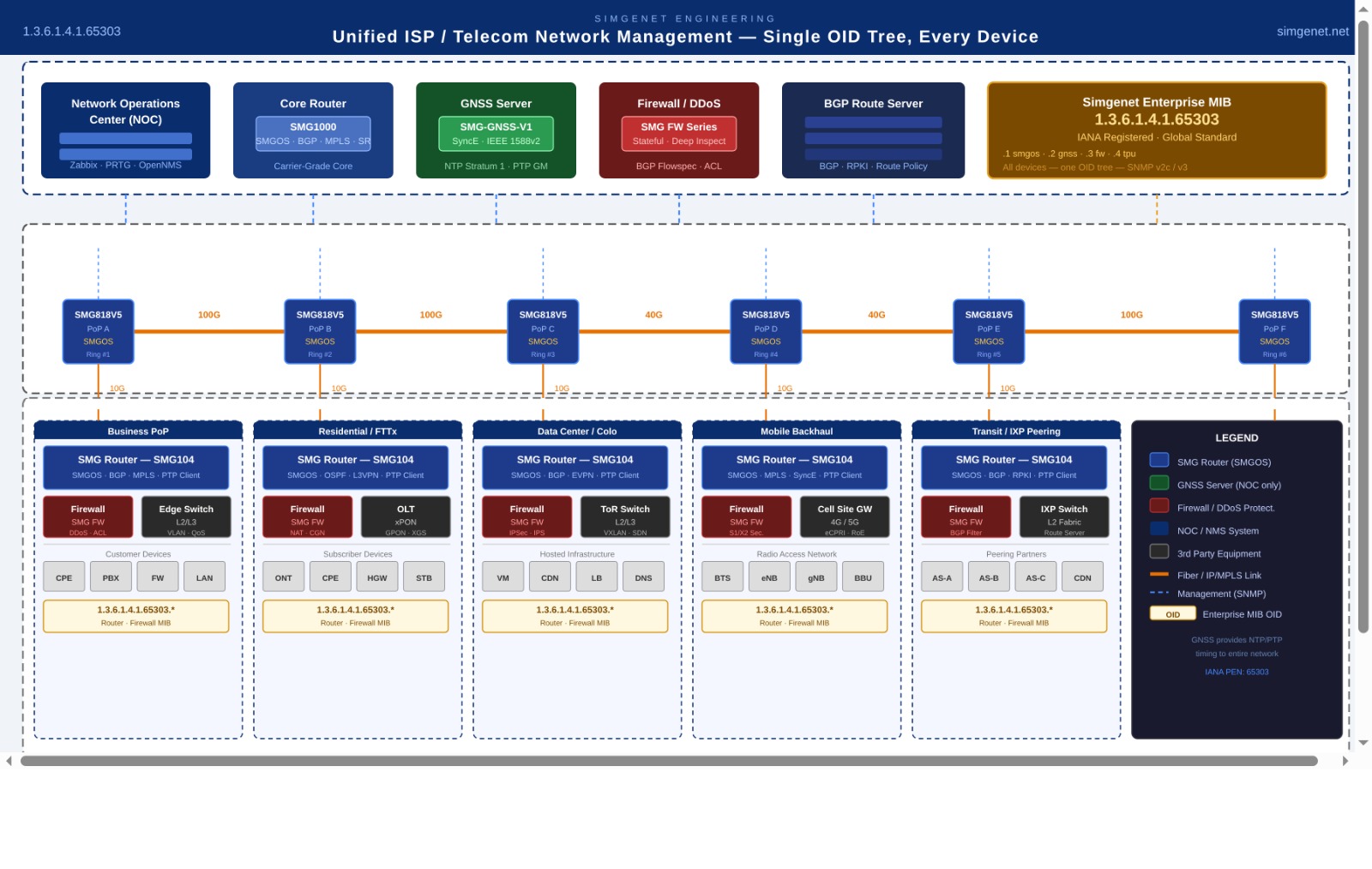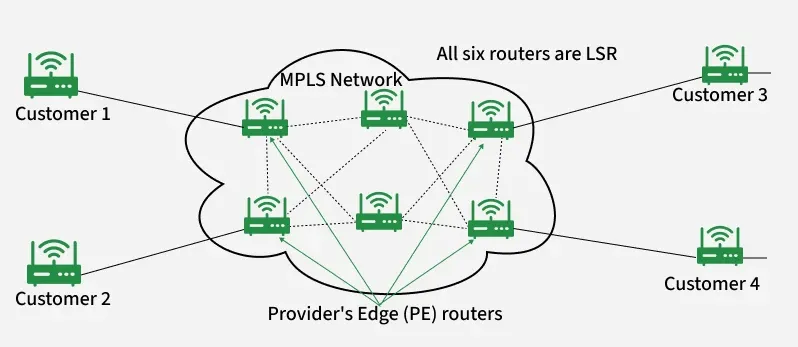
Railway Communication Infrastructure Modernization: Transition from SDH/DWDM to IP/MPLS Routers
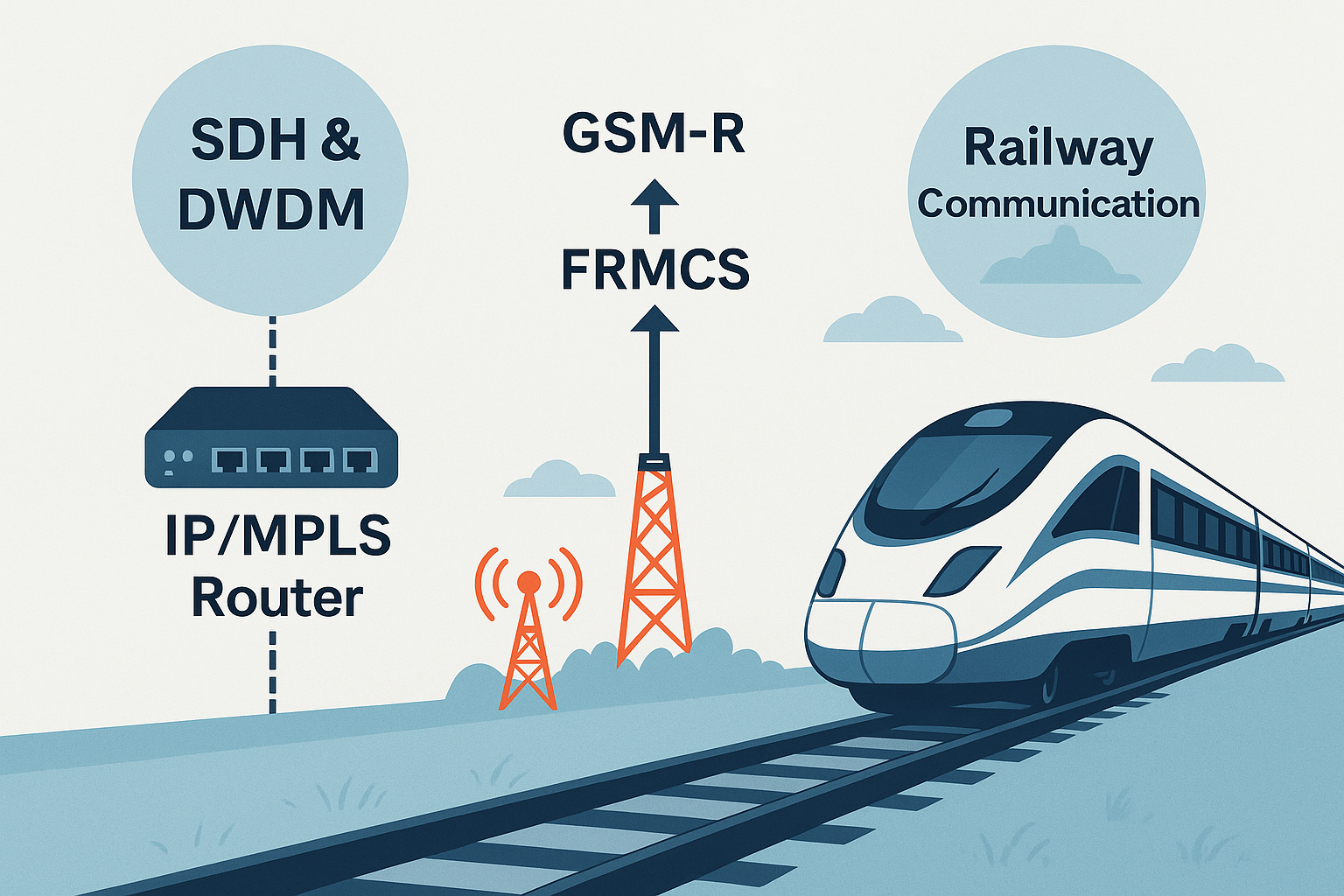
Railway Communication Infrastructure Modernization: SDH & DWDM to IP/MPLS Router Transition
SDH & DWDM Multiplexers vs. IP/MPLS Routers
Purpose
To examine how the transition from traditional SDH and DWDM infrastructure to IP/MPLS routers can reduce device diversity in railway communication systems while providing flexibility, cost advantages, and scalability.
Overview of SDH and DWDM Technologies
Current Systems
SDH (Synchronous Digital Hierarchy):
-
Provides timing and synchronization-focused data transmission.
DWDM (Dense Wavelength Division Multiplexing):
-
An optical communication technology that provides high bandwidth.
-
Can be utilized in CCTV system infrastructure requiring high bandwidth.
Strengths
-
SDH provides data security and synchronization.
-
DWDM offers very high bandwidth.
Limitations
-
Both technologies require separate devices.
-
Management is more complex.
-
Maintenance costs are high.
Overview of IP/MPLS Router Technology
Modern Alternative: IP/MPLS (Multi-Protocol Label Switching)
-
By integrating separate SDH and DWDM devices into a single router, IP/MPLS provides flexibility, cost efficiency, and management simplicity.
Advantages
-
Provides the advantages of SDH and DWDM through a single device.
-
Consolidates all network data traffic.
-
Eliminates the need for separate devices.
-
Offers vendor independence, rapid scalability, and multi-service support (video, voice, data).
Comparison of SDH, DWDM, and IP/MPLS Routers
Why Replace SDH and DWDM Devices with IP/MPLS?
-
Fewer Devices, Less Complexity:
IP/MPLS routers integrate both SDH and DWDM technologies into one solution, reducing device diversity. -
High Bandwidth:
MPLS optimizes high-speed data traffic delivery, providing substantial bandwidth. -
Technological Simplicity:
Network management eliminates the complexities of having different devices work in harmony. -
Cost Savings:
The elimination of separate SDH and DWDM devices provides significant cost savings in installation and maintenance.
GSM-R and IP/MPLS Router in Railway Applications: Simplicity
Single Platform, Multiple Services
Camera systems, signaling, passenger information systems, and critical communications services such as GSM-R can be managed over a single IP/MPLS platform.
Integration of GSM-R with IP/MPLS:
-
Provides secure and uninterrupted voice communication along railway lines.
-
Enables other applications to operate over the same network.
-
Simplifies management and reduces operational costs.
Broadband Requirements
-
IP/MPLS delivers high performance in bandwidth-demanding applications such as high-resolution video streaming, passenger information systems, and signaling.
-
Enhances the reliability of critical communications systems such as GSM-R.
Dynamic Traffic Management
-
Provides flexible and dynamic traffic management for all railway applications and GSM-R traffic.
-
Traffic can be prioritized according to priority levels.
-
Critical communications signals can be prioritized.
Conclusion
-
Beyond SDH and DWDM:
IP/MPLS routers combine the advantages of SDH and DWDM to provide a versatile solution that encompasses critical communications systems like GSM-R. -
Future-Ready:
IP/MPLS technology provides a scalable and sustainable infrastructure that meets current and future broadband demands of railway networks, ensuring compatibility with GSM-R evolution and new systems such as FRMCS.
Other Important Technological Details
GSM-R Technology
GSM-R (Global System for Mobile Communications – Railway) is a 2G-based technology adapted for the railway sector.
Characteristics:
-
Operates in the 900 MHz band.
-
Optimized for signaling and voice communications.
-
Data transmission rate is approximately 9.6 kbps.
Future Technologies
-
FRMCS (Future Railway Mobile Communication System), planned to replace GSM-R, is 5G-based.
-
Aims to provide higher data transmission rates, advanced security, and expanded application support.